
Chemistry Research Topics for Postgraduates: Cutting-Edge Ideas
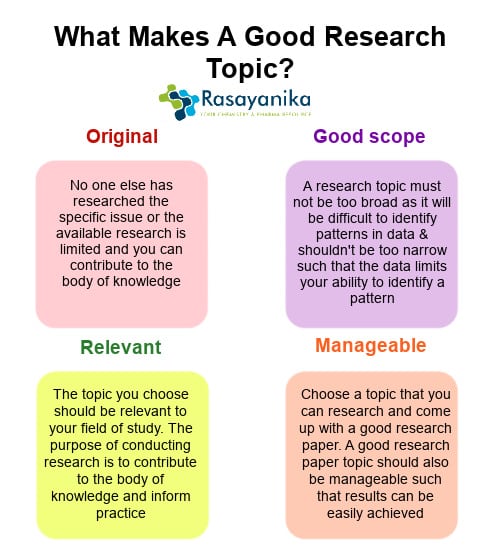
Choosing the right chemistry research topic can make all the difference in your postgraduate journey. You want a subject that not only sparks your curiosity but also adds real value to your field.
Whether you’re aiming to solve environmental challenges or explore cutting-edge materials, the right topic sets the stage for success. You’ll discover a range of compelling chemistry research topics tailored for postgraduates like you. These ideas are designed to inspire, challenge, and guide you toward making a meaningful impact.
Ready to find the perfect topic that fits your passion and career goals? Keep reading to unlock fresh insights and exciting possibilities in chemistry research.
Energy And Sustainability
Energy and sustainability are vital areas in chemistry research today. Postgraduate students explore ways to create cleaner energy and reduce environmental harm. Chemistry helps develop new materials and processes to protect the planet. Research in this field supports a sustainable future for all.
Alternative Energy Sources
Chemists study fuels that do not pollute the air. Solar cells, hydrogen fuel, and biofuels are key topics. Research focuses on making these sources cheaper and more efficient. Understanding chemical reactions helps improve energy storage and conversion. This work aims to replace fossil fuels with green options.
Chemistry In Recycling Processes
Recycling reduces waste and saves resources. Chemistry research finds ways to break down plastics and metals safely. New catalysts speed up recycling and lower energy use. Scientists develop methods to recover valuable materials from waste. These advances help create a circular economy and reduce pollution.
Sustainable Pest Management
Chemistry plays a role in safer pest control. Researchers design eco-friendly pesticides that target pests without harming other life. Natural products and biodegradable chemicals are studied. This approach protects crops and the environment. It helps reduce the overuse of harmful chemicals in farming.
Environmental Conservation Chemistry
Chemists analyze pollutants and their effects on ecosystems. They develop sensors to detect toxins in water and air. Research includes creating materials that clean contaminated sites. Chemistry supports efforts to preserve natural habitats. This field aids governments and organizations in protecting the environment.
Credit: www.rasayanika.com
Innovative Chemical Techniques
Innovative chemical techniques have transformed the landscape of postgraduate research. These modern methods increase efficiency and precision in chemical experiments. They open new pathways for discovery and practical application. Exploring these techniques helps postgraduates stay at the forefront of chemistry.
Flow Chemistry Applications
Flow chemistry uses continuous movement of chemicals through tubes or reactors. This method allows better control of reaction conditions. It improves safety by handling smaller volumes at a time. Postgraduates can study complex reactions with faster results. Flow chemistry also reduces waste and energy use.
Automated Synthesis Methods
Automated synthesis uses machines to perform chemical reactions. It lowers human error and increases reproducibility. This technique speeds up the creation of new molecules. Postgraduates can design experiments that run 24/7 with minimal supervision. Automated methods help in drug discovery and material science.
Microfluidics In Chemical Research
Microfluidics controls tiny amounts of fluids in small channels. It allows precise mixing and reaction of chemicals. Researchers can study reactions on a very small scale. Microfluidics saves materials and reduces costs. It is useful for biological and chemical analysis in real-time.
Crystal Engineering Advances
Crystal engineering focuses on designing solid materials with specific properties. It studies how molecules arrange themselves in crystals. This field helps create better pharmaceuticals and catalysts. Postgraduates explore new ways to control crystal growth. Advances improve material strength, porosity, and functionality.
Catalysis And Materials
Catalysis and materials research form a vital part of modern chemistry. They drive innovations in energy, environment, and manufacturing. Postgraduate students can explore many exciting topics in this field. These topics focus on improving reactions and creating new materials for diverse uses.
Research in catalysis aims to develop efficient and selective catalysts. Materials science focuses on designing substances with unique properties. Together, these areas offer vast opportunities for discovery and application.
Earth-abundant Transition Metal Catalysis
This topic explores catalysts made from metals like iron, nickel, and cobalt. These metals are cheap and widely available. They can replace precious metals like platinum in many reactions. Research focuses on improving their activity and stability. Such catalysts help make chemical processes greener and more sustainable.
C–h Activation And C–c Coupling
C–H activation involves breaking carbon-hydrogen bonds to form new products. C–C coupling joins two carbon atoms to build complex molecules. Both processes are crucial in making pharmaceuticals and materials. Researchers study catalysts that can perform these reactions under mild conditions. This reduces waste and energy use in chemical synthesis.
Membrane Technologies
Membranes separate gases or liquids using selective barriers. They are key in water purification, gas separation, and energy storage. Advances focus on materials that improve membrane efficiency and durability. Research also seeks to lower production costs. New membranes can boost industrial processes and environmental protection.
Fluorine Chemistry Developments
Fluorine atoms change the properties of molecules significantly. Adding fluorine can improve drug stability and activity. Researchers develop new methods for fluorine incorporation. These methods aim for safer, faster, and more selective reactions. Fluorine chemistry opens new paths in pharmaceuticals and materials science.
Bioorganic And Medicinal Chemistry
Bioorganic and medicinal chemistry bridges biology and chemistry to improve health. It explores how biological molecules interact with synthetic compounds. This field helps develop new medicines and better treatment methods. Postgraduate research in this area offers many exciting topics with real-world impact.
Bioorthogonal Chemistry Innovations
Bioorthogonal chemistry studies reactions inside living systems without disturbing natural processes. Researchers design chemical tools that react only with targeted molecules. These innovations allow tracking and modifying biomolecules in cells. This research supports drug development and disease diagnosis.
Drug Delivery Systems
Drug delivery systems improve how medicines reach their targets. Scientists focus on designing carriers that protect drugs and release them precisely. Nanoparticles, liposomes, and polymers are popular carriers. Effective delivery reduces side effects and increases treatment success.
Cancer And Tumor Chemistry
Cancer chemistry investigates molecules involved in tumor growth and spread. Researchers identify chemical markers unique to cancer cells. This knowledge helps create targeted therapies that attack tumors without harming healthy cells. Understanding tumor chemistry aids early detection and personalized medicine.
Biomass Upgrading
Biomass upgrading converts natural materials into valuable chemicals and fuels. Chemists develop methods to break down plant matter efficiently. This research supports sustainable energy and reduces reliance on fossil fuels. It combines organic chemistry with environmental goals.
Chemistry And Technology Integration
Integrating chemistry with modern technology opens new doors for postgraduate research. This fusion enhances how scientists study chemicals and develop innovative solutions. Technology tools help analyze data faster and more accurately. They also enable real-time monitoring and control of chemical processes. This section explores key areas where chemistry and technology meet.
Wearable Chemical Sensors
Wearable sensors detect chemical changes in the body or environment. These devices track health markers like glucose or toxins. Postgraduates can design sensors that are small, flexible, and sensitive. Such research improves personal health monitoring and environmental safety. These sensors offer continuous data collection outside the lab.
Quantum Technology In Chemistry
Quantum technology applies principles of quantum mechanics to chemistry. It helps simulate complex molecules and reactions that classical computers struggle with. Research here focuses on quantum computing and quantum sensing for chemical analysis. This area promises more precise predictions of chemical behavior. It also aids in discovering new materials and drugs.
Data Analytics In Chemical Research
Data analytics manages large chemical datasets to find patterns and insights. Techniques like machine learning analyze experimental results efficiently. Postgraduates can explore algorithms that predict reaction outcomes or optimize processes. This approach speeds up research and reduces costly experiments. It transforms raw chemical data into valuable knowledge.
Ai Applications In Chemistry
Artificial intelligence supports many tasks in chemistry research. AI helps design molecules, predict properties, and automate experiments. Postgraduates can develop AI models tailored for chemical databases and workflows. This technology increases accuracy and saves time in research projects. It also assists in solving complex chemical problems faster.
Credit: www.researchgate.net
Challenges In Modern Chemistry
Modern chemistry faces many challenges that shape research for postgraduates. These challenges push scientists to think differently and innovate. Chemistry must connect abstract ideas with real-world experiments. It also needs to focus on creating safer, eco-friendly products. Beyond science, chemistry questions its role and impact on society. Ethics guide the research to ensure responsible progress.
Bridging Theory And Experiment
Theory in chemistry explains how atoms and molecules behave. Experiments test these ideas in the lab. Often, results do not match perfectly. This gap slows down discoveries and new technologies. Researchers work to improve methods that link models with real data. Accurate predictions help design better materials and medicines faster.
Sustainable Chemical Design
Chemistry affects the environment through waste and resource use. Sustainable design aims to reduce pollution and energy use. Scientists seek greener ways to make chemicals and products. Using renewable materials and less toxic substances is key. This challenge drives innovation toward a cleaner, safer planet.
Philosophical Aspects Of Chemistry
Chemistry raises questions about the nature of matter and change. What defines a chemical element or compound? How do we know what we observe is true? These questions shape how chemists understand their science. Philosophy helps clarify concepts and improve scientific thinking.
Ethical Considerations In Research
Chemists must ensure their work is safe and honest. Ethical research avoids harm to people and the environment. It respects laws and fair treatment of all involved. Transparency and reproducibility build trust in findings. Ethics guide choices about which projects to pursue and how.
Credit: www.studocu.com
Frequently Asked Questions
What Is The Best Research Topic In Chemistry?
The best chemistry research topics focus on sustainability, renewable energy, green chemistry, drug delivery, and catalysis. These areas address global challenges and advance scientific innovation.
What Are Some Interesting Topics In Chemistry?
Interesting chemistry topics include bioorthogonal chemistry, cancer research, transition metal catalysis, wearable sensors, flow chemistry, automated synthesis, biomass upgrading, crystal engineering, microfluidics, and quantum technology. These areas explore innovative solutions in medicine, materials, and sustainable processes.
What Are Some Ongoing Challenges And Areas Of Research In Modern Chemistry?
Modern chemistry faces challenges like linking theory with experiments, promoting sustainable chemical design, and advancing green energy solutions. Researchers focus on catalysis, drug delivery, environmental conservation, and novel materials to address health and climate issues.
What Are The 10 Examples Of Research Topics?
Here are 10 research topic examples: AI ethics, climate change solutions, digital health, mental health and social media, political misinformation, sustainable agriculture, genetic engineering ethics, data analytics, urban sustainability, and brain function studies.
Conclusion
Choosing the right chemistry research topic shapes your academic journey. Explore areas that excite you and match your skills. Focus on current challenges to make a meaningful impact. Keep your goals clear and research well to succeed. Chemistry offers many paths to learn and grow.
Dive into topics that inspire curiosity and innovation. Your hard work can contribute to science and society. Stay curious, stay focused, and enjoy the research process.