
Why is Chemistry Important When Thinking About a Career in Medicine
Choosing a path in medicine is not just about a desire to help others or a fascination with the human body. It’s a journey that requires strong foundations in many sciences, and chemistry sits right at the center. If you dream of becoming a doctor, nurse, pharmacist, or any healthcare professional, understanding why chemistry is so important is not just helpful—it’s essential. Many future medical students underestimate how deep the connection goes. They might see chemistry as just another subject to pass. But in reality, chemistry shapes the way doctors diagnose, treat, and care for patients every single day.
Let’s explore how chemistry is woven into the world of medicine, from the basics of how our bodies work to the medicines that save lives. This article will give you a clear, complete picture of why chemistry is not just a requirement, but a powerful tool for anyone serious about a career in medicine.
The Role Of Chemistry In The Human Body
At its core, medicine is about understanding the human body. And the body itself is a complex network of chemical reactions. Every breath you take, every thought you think, and every bite of food you eat involves chemistry.
Think about cellular respiration—the process that turns oxygen and glucose into energy. This is pure chemistry in action. Enzymes (which are proteins with specific chemical structures) speed up reactions that keep us alive. If you want to understand how diseases change these processes, or how drugs can restore them, you need a solid grasp of chemistry.
Another example is DNA and genetics. The structure of DNA, the way it copies itself, and how genes are turned on or off is all about chemical bonds and reactions. Without chemistry, you cannot understand genetics, which is now a huge part of modern medicine, especially in areas like cancer treatment and personalized medicine.
Chemistry And Medical Education
Most medical schools require chemistry coursework before you even apply. But it’s not just a hoop to jump through. Chemistry classes teach you to think in a logical, systematic way—skills you’ll use every day as a medical professional.
You’ll use chemistry to:
- Interpret lab results (like blood tests)
- Understand how drugs work and interact
- Make sense of complex medical literature
- Communicate accurately with colleagues and patients
A strong background in chemistry helps you keep up with the fast pace of medical school. Many students find the first year overwhelming because they didn’t build a solid chemistry foundation. They struggle with biochemistry, pharmacology, and physiology because the basics are missing.
Taking chemistry seriously early on can give you a huge advantage.
Chemistry In Pharmacology And Drug Development
One of the most visible connections between chemistry and medicine is in pharmacology—the study of drugs. Every medicine, from aspirin to advanced cancer therapies, is made up of chemicals. Understanding chemistry helps you see how these substances work, how they’re broken down by the body, and how they might interact with other drugs.
How Drugs Work
When you swallow a pill, the active ingredient must:
- Survive the acidic environment of the stomach.
- Pass through the gut wall into the bloodstream.
- Travel to the target organ or tissue.
- Bind to a specific molecule (like a receptor or enzyme).
- Produce a therapeutic effect without causing harm.
All these steps involve chemical principles—such as solubility, pH, and molecular structure. If you understand these, you can predict how a drug will behave, why some drugs work better than others, and why side effects happen.
Drug Interactions
Doctors must be aware of drug interactions, which are often chemical in nature. For example, some medicines can increase the acidity of the stomach, making other drugs less effective. Others might compete for the same enzyme in the liver, leading to dangerously high levels of one or both drugs. Knowing the chemistry behind these interactions can prevent serious harm.
Drug Development Process
The journey from a laboratory idea to a safe medicine is long and complex. Here’s a simplified look at the process:
| Stage | Description | Role of Chemistry |
|---|---|---|
| Discovery | Identify a molecule with potential medical use. | Synthesize and modify molecules to improve activity. |
| Preclinical Testing | Test safety and effectiveness in cells and animals. | Analyze chemical stability and toxicity. |
| Clinical Trials | Test in human volunteers and patients. | Monitor how the body processes the drug (pharmacokinetics). |
| Approval | Submit data to regulators for safety checks. | Ensure chemical manufacturing is reliable and safe. |
Chemists are involved at every stage. Without chemistry, modern medicines simply wouldn’t exist.
Chemistry In Diagnosis And Laboratory Testing
Doctors rely heavily on laboratory tests to diagnose illnesses and monitor treatment. The results you see—like blood glucose, cholesterol, or hormone levels—are all measured using chemical reactions.
Blood Tests
Take a common test like blood glucose. A chemical reaction changes color when glucose is present. The intensity of the color tells you how much glucose is in the blood. If you’re a doctor, you need to know what these results mean, how reliable they are, and what can affect them.
Imaging And Diagnostics
Even advanced imaging techniques like MRI or PET scans depend on chemical principles. MRI uses the behavior of hydrogen atoms in a magnetic field, which is rooted in chemistry and physics. PET scans use radioactive tracers—again, chemicals designed to highlight certain parts of the body.
Sample Handling
Poor sample handling can ruin test results. For example, blood that clots before analysis can give false readings. Knowing the right chemicals to add (like anticoagulants) and how they work is crucial for accurate testing.
| Test | Key Chemical Principle | Common Use |
|---|---|---|
| Blood Glucose | Enzyme-catalyzed reaction | Diabetes diagnosis |
| Electrolytes (Na+, K+) | Ion-selective electrodes | Kidney function, hydration |
| Hormone Levels | Immunoassay (antibody binding) | Thyroid, reproductive health |
| MRI Scan | Magnetic resonance of hydrogen | Imaging soft tissue |
Chemistry In Physiology And Biochemistry
Physiology is the study of how the body works, and biochemistry zooms in even closer, looking at the chemical reactions inside our cells. These fields are the backbone of medicine.
Acid-base Balance
Your blood must stay within a very narrow pH range (about 7. 35–7. 45). If it goes outside this, cells can’t function, and you can quickly become very sick or even die. Doctors use chemistry to understand and treat conditions like acidosis (too much acid) or alkalosis (too much base).
Enzyme Function
Enzymes are nature’s catalysts. They speed up chemical reactions that would be too slow to support life. Many diseases are caused by enzyme deficiencies or malfunctions. For example, a lack of the enzyme insulin leads to diabetes. Understanding how enzymes work is a chemistry topic—and it’s essential for developing new treatments.
Metabolism
Every time you eat, your body breaks down food into smaller molecules for energy, repair, or storage. This is called metabolism, and it’s a huge network of chemical reactions. Many common diseases—like diabetes, obesity, and heart disease—are linked to problems in metabolism.
Chemistry In Disease Mechanisms
Diseases often start with a chemical imbalance or a faulty reaction. If you know the chemistry, you can understand the root cause and find better treatments.
Infectious Diseases
Bacteria and viruses disrupt normal chemical processes. For example, bacteria might produce toxins that damage cells or interfere with metabolism. Knowing the chemistry helps in choosing the right antibiotic or antiviral.
Cancer
Cancer cells have different biochemistry compared to healthy cells. They might use energy in unusual ways or avoid normal cell death signals. Many cancer treatments target these unique chemical pathways, so doctors and researchers need a strong background in chemistry to understand and improve these therapies.
Genetic Disorders
Some diseases are caused by a single chemical change in DNA. For example, sickle cell anemia is caused by a single amino acid change in hemoglobin. Understanding how a small chemical difference can lead to a major disease is key for developing gene therapies and other advanced treatments.
Chemistry In Treatment And Therapies
The ways doctors treat patients are deeply tied to chemistry.
Intravenous (iv) Therapy
When a patient is given fluids or medicines directly into a vein, the solution must be chemically balanced. Too much or too little of certain ions (like sodium, potassium, or calcium) can be dangerous. Doctors must understand how to adjust these solutions for each patient’s needs.
Oxygen Therapy
Oxygen is a gas, but in medicine, it’s also a chemical compound (O₂). The way oxygen is delivered, measured, and used in the body is based on chemical laws. For example, the amount of oxygen that can dissolve in blood depends on temperature, pressure, and other chemical factors.
Chemotherapy
Chemotherapy drugs are chemicals designed to kill cancer cells. They often target rapidly dividing cells by disrupting DNA or other key molecules. Understanding their chemical properties helps doctors maximize their effects and minimize side effects.
Vaccines
Modern vaccines use chemical engineering to create safe, effective ways to prevent disease. Some vaccines use tiny parts of viruses, while others use messenger RNA (like the COVID-19 vaccines). All of this is based on chemistry.
Chemistry And Medical Technology
Many tools used in medicine are based on chemistry.
Sterilization
Operating rooms and instruments must be free from germs. Sterilization uses chemicals like ethylene oxide or processes like autoclaving (which uses high-pressure steam). Doctors and nurses must understand which chemicals are safe and effective.
Medical Devices
Pacemakers, artificial joints, and other devices use biocompatible materials—substances that won’t cause a reaction in the body. Choosing and designing these materials is all about chemistry.
Diagnostic Tools
Pregnancy tests, blood glucose monitors, and other devices use chemical reactions to give quick results. Understanding how these work helps doctors choose the right tool and interpret the results correctly.
Chemistry In Everyday Medical Practice
You don’t have to work in a lab to use chemistry every day as a healthcare professional.
Cleaning And Disinfection
Hospitals use chemical disinfectants to kill bacteria and viruses. Knowing which chemicals are effective (and safe for humans) is a basic part of medical training.
Nutrition
Doctors and dietitians use chemistry to understand nutrients, vitamins, and minerals. They advise patients on how to balance their diet, which is a chemical equation between energy, building blocks, and waste.
Emergency Medicine
In emergencies, quick decisions can save lives. Understanding how chemicals act in the body helps doctors use treatments like antidotes for poisoning, or balance fluids in severe dehydration.
Chemistry And Research In Medicine
Medicine is always changing. New diseases appear, and new treatments are developed. Many breakthroughs come from research—and research is deeply tied to chemistry.
Clinical Trials
When testing a new drug or therapy, doctors need to understand chemical structure, how the body processes the drug, and how to measure its effects. This helps them design better trials and interpret results more accurately.
Genetics And Molecular Medicine
The future of medicine is personalized medicine—treatments tailored to each person’s unique genetic makeup. This field relies on chemistry to read, edit, and understand DNA.
Non-obvious Insight: The Language Of Science
One thing many students miss is that chemistry is the language of science. If you want to read research papers, understand new treatments, or join international medical teams, you need to speak this language. It’s not just about facts—it’s about thinking in a way that unlocks deeper understanding.
Non-obvious Insight: Predicting The Future
Medical professionals who understand chemistry can adapt to new discoveries faster. As technology changes, those with strong chemistry skills will be better prepared for new challenges, from gene editing to nanomedicine.
Chemistry And Patient Communication
Doctors must explain complex ideas to patients in simple ways. If you truly understand chemistry, you can break down tough topics—like why a medicine must be taken with food, or how a treatment works—into easy-to-understand language. This builds trust and helps patients follow their treatment plans.
Chemistry And Medical Ethics
Some of the hardest questions in medicine are about ethics—what is right or wrong. Chemistry helps by providing clear, factual information. For example, when debating new treatments, understanding the chemical risks and benefits can guide ethical choices.

Credit: www.coursera.org
Common Mistakes When Overlooking Chemistry In Medical Careers
1. Assuming Chemistry Isn’t Essential
Some students believe they can “get by” with minimal chemistry knowledge. This mistake can make medical school much harder and limit career options.
2. Memorizing Without Understanding
Learning chemistry by rote (just memorizing facts) is not enough. You need to understand the “why” behind the facts to use them in real-world situations.
3. Ignoring Interdisciplinary Connections
Medicine is not just biology or chemistry—it’s both, plus physics, math, and more. Seeing how these sciences connect gives you an edge.
4. Neglecting Chemistry In Clinical Practice
Even after medical school, doctors use chemistry daily. Not keeping up with new discoveries can lead to outdated practices.
Chemistry In Different Medical Careers
The importance of chemistry varies by specialty, but it’s always present.
| Career | Chemistry Use | Example |
|---|---|---|
| Doctor | Prescribing drugs, interpreting lab results | Choosing the right antibiotic for an infection |
| Pharmacist | Understanding drug interactions | Advising patients on safe combinations of medicines |
| Nurse | IV therapy, monitoring electrolytes | Adjusting fluid balance for a dehydrated patient |
| Medical Researcher | Developing new treatments | Testing a new cancer drug in the lab |
| Laboratory Technician | Running chemical tests | Measuring blood glucose levels |
No matter what path you choose, chemistry will play a role.
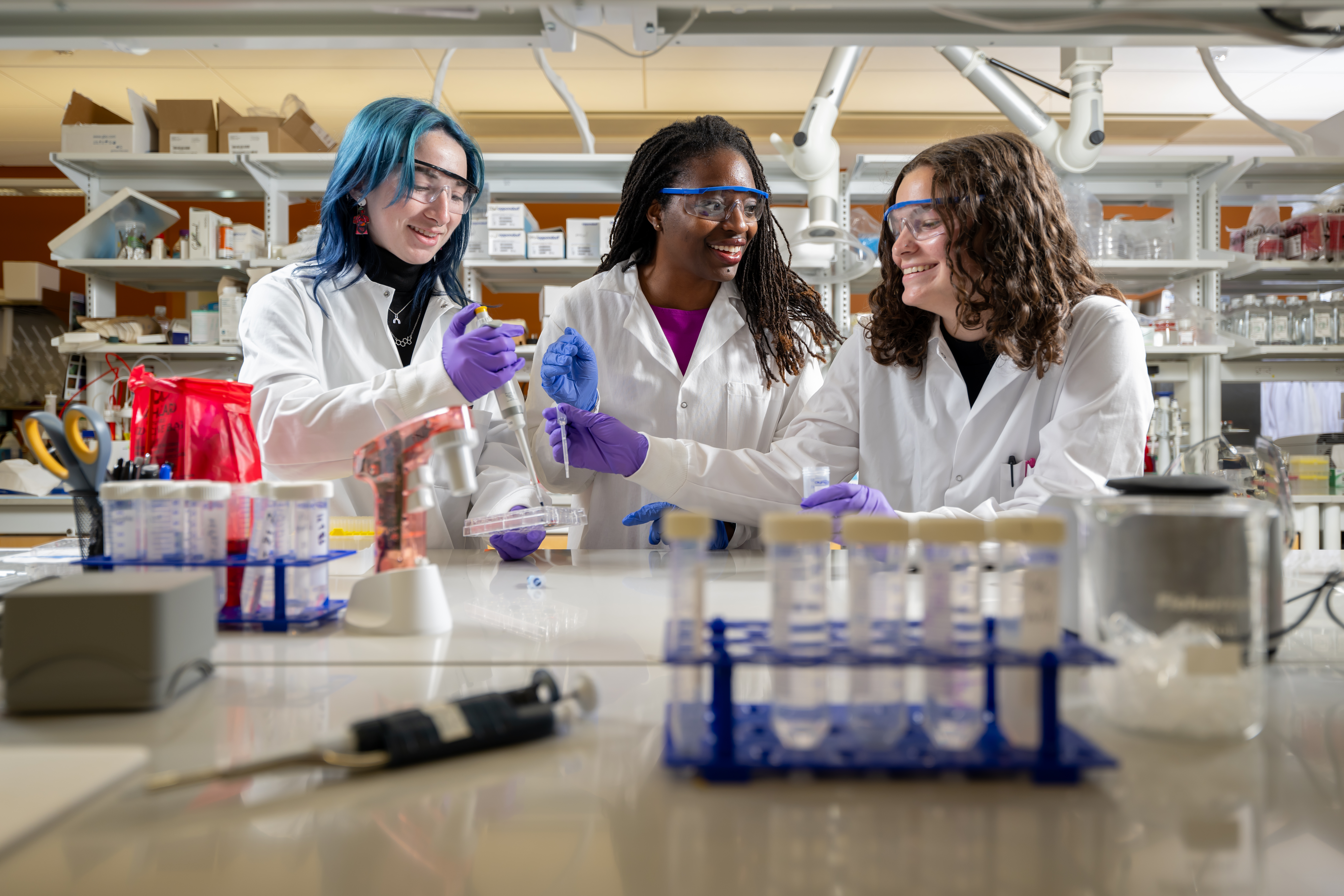
Credit: bioe.umd.edu
Preparing For A Medical Career: Chemistry Study Tips
If you’re still in high school or college, how can you prepare? Here are practical ways to build your chemistry foundation:
1. Take Challenging Chemistry Courses
Don’t just take the minimum required. Courses in organic, inorganic, and biochemistry will all help.
2. Connect Chemistry To Real Life
Try to see how chemistry is used in medicine—read case studies, do experiments, or shadow a healthcare professional.
3. Build Strong Study Habits
Chemistry requires regular practice. Work on problems, join study groups, and ask questions when you’re stuck.
4. Use Visual Aids And Models
Chemistry can be abstract. Diagrams, models, and videos can make complex ideas clearer.
5. Focus On Understanding, Not Memorizing
Ask “why” and “how” for each concept. This deeper understanding will help you in medical school and beyond.
6. Practice Applying Chemistry
Try to explain concepts to a friend or family member. If you can teach it simply, you know it well.
Real-world Examples: Chemistry In Action In Medicine
- Insulin Therapy: Insulin is a protein with a specific chemical structure. If the structure changes, it stops working. Chemists have developed different types of insulin for different needs—rapid, intermediate, or long-acting.
- Antibiotic Resistance: Some bacteria change their chemistry to resist antibiotics. Doctors need to know the chemical differences to choose the right treatment.
- Cancer Immunotherapy: New cancer treatments use antibodies—proteins with unique chemical shapes—to target cancer cells while leaving healthy cells alone.

Credit: www.scuhs.edu
The Future: Chemistry’s Growing Role In Medicine
Medicine is changing faster than ever. New fields like nanomedicine (treating disease with tiny particles) and gene editing (like CRISPR) are built on chemistry. Doctors who understand these advances will lead the way.
Personalized medicine will rely on your ability to understand and use chemical information from each patient. The more you know, the more options you’ll have.
When Chemistry Becomes A Lifesaver
Imagine a patient arrives in the emergency room with strange symptoms. Blood tests show dangerously low sodium. A doctor who knows chemistry will quickly see this is hyponatremia and can act fast, saving the patient’s life. Or picture a new drug released to treat a rare disease. Without chemistry, doctors would not know how it works, what doses are safe, or what side effects to watch for.
This kind of knowledge isn’t just academic—it changes outcomes for real people every day.
Frequently Asked Questions
Why Do Medical Schools Require Chemistry For Admission?
Medical schools require chemistry because it teaches you how the body works at a molecular level. Many medical concepts—like how drugs work or how diseases start—are based on chemistry. It also trains you to think logically and solve problems, which is crucial for doctors.
Can I Succeed In Medicine If I’m Not Strong In Chemistry?
You can still succeed, but it will be much harder. Many parts of medical school—like biochemistry, pharmacology, and lab tests—require strong chemistry skills. If you struggle now, consider extra help or tutoring before starting medical training.
What Type Of Chemistry Is Most Important For Medicine?
Organic chemistry, biochemistry, and general chemistry are all important. Organic chemistry helps you understand drug structure and reactions. Biochemistry explains how the body’s molecules work. General chemistry covers the basics needed for both fields.
How Is Chemistry Used In Surgery?
Surgery uses chemistry in sterilization (to keep things germ-free), anesthesia (using chemicals to manage pain), and fluid balance (keeping the right amounts of electrolytes in the body). Surgeons also rely on chemistry when choosing materials for implants or sutures.
Where Can I Learn More About The Connection Between Chemistry And Medicine?
A great place to start is the Wikipedia page on Medical Chemistry, which explains how chemical principles are used in medicine, drug design, and patient care.
Medicine is a challenging but rewarding career. If you embrace chemistry, you’ll be better prepared—not just to get into medical school, but to become a thoughtful, effective healthcare professional who truly makes a difference.