
If you work in Quality Assurance, understanding global regulatory guidelines isn’t just helpful — it’s essential. These rules shape how you ensure products are safe, effective, and meet international standards.
But with so many regulations from different regions, it can feel overwhelming to keep up. What if you could focus only on the key guidelines that truly impact your role and your company’s success? You’ll discover the must-know global regulatory frameworks that every QA professional should master.
Knowing these will empower you to make smarter decisions, avoid costly mistakes, and confidently navigate audits and inspections. Ready to sharpen your expertise and stay ahead in your field? Let’s dive in.
Global Quality Standards
Global quality standards set the foundation for consistent product safety and effectiveness. These standards guide Quality Assurance (QA) professionals worldwide. They ensure that products meet customer expectations and regulatory requirements.
Understanding these standards helps QA teams maintain compliance and improve processes. It also supports global trade by harmonizing quality expectations across countries.
Iso 9001: Quality Management Systems
ISO 9001 is the most widely recognized quality management standard. It focuses on customer satisfaction and continual improvement. QA professionals must ensure their processes align with its requirements. This helps organizations deliver reliable and high-quality products.
Good Manufacturing Practice (gmp)
GMP guidelines control production and quality in pharmaceuticals and food industries. They cover personnel, premises, equipment, and documentation. Compliance reduces risks such as contamination and errors. QA teams must regularly audit and validate processes to meet GMP standards.
Ich Q10: Pharmaceutical Quality System
ICH Q10 provides a model for a pharmaceutical quality system. It integrates GMP and risk management principles. This standard supports product lifecycle management and continuous improvement. QA professionals use ICH Q10 to strengthen quality oversight and control.
Iso 13485: Medical Devices Quality Management
ISO 13485 applies to medical device manufacturers. It emphasizes risk management and regulatory compliance. QA teams must document processes and maintain traceability. The standard helps ensure devices are safe and effective for patients.
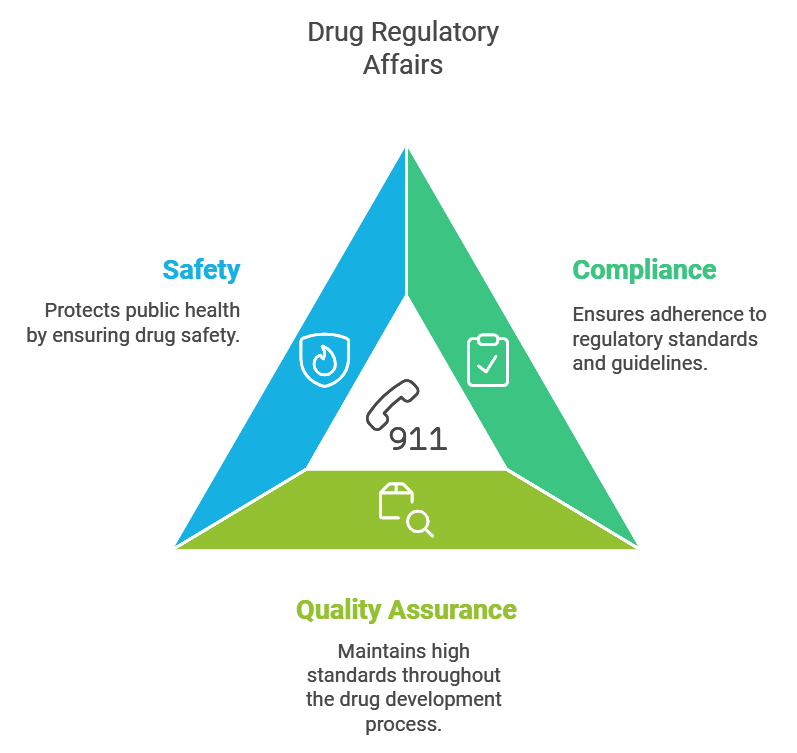
Credit: jamiahamdardonline.in
Key Regulatory Agencies
Quality Assurance (QA) professionals must understand key regulatory agencies worldwide. These agencies create rules that ensure product safety, efficacy, and quality. Knowing their roles helps QA teams comply with global standards and avoid costly mistakes.
Each agency has unique guidelines. Companies working internationally must follow multiple sets of regulations. This knowledge helps maintain quality and meet legal requirements in different markets.
Fda (food And Drug Administration)
The FDA regulates food, drugs, medical devices, and cosmetics in the United States. It sets strict standards for product approval and manufacturing processes. QA professionals must ensure compliance with FDA’s Good Manufacturing Practices (GMP).
Ema (european Medicines Agency)
EMA oversees medicines in the European Union. It evaluates clinical data and monitors safety after approval. QA teams working in Europe follow EMA guidelines to ensure products meet EU standards.
Mhra (medicines And Healthcare Products Regulatory Agency)
MHRA regulates medicines and medical devices in the United Kingdom. It enforces compliance with UK-specific rules. QA professionals must stay updated on MHRA’s requirements post-Brexit.
Pmda (pharmaceuticals And Medical Devices Agency)
PMDA controls pharmaceuticals and medical devices in Japan. It reviews product applications and inspects manufacturing sites. QA teams collaborating with Japan’s market adapt processes to PMDA standards.
Who (world Health Organization)
WHO provides global guidelines for vaccine production and public health products. It supports quality assurance in countries with less developed regulatory systems. QA professionals often use WHO standards as global benchmarks.
Current Good Manufacturing Practices
Current Good Manufacturing Practices (cGMP) are crucial rules that guide how products are made. These rules help ensure products are safe, effective, and of high quality. All Quality Assurance (QA) professionals must understand cGMP to keep production standards high and avoid errors.
cGMP covers every step in manufacturing, from the people involved to the processes used. This system reduces risks like contamination, mix-ups, and errors. It also requires proper documentation and training, making sure each product meets strict guidelines.
People: Trained And Qualified Staff
Staff must have proper training and skills to follow cGMP. Each person has clear roles and responsibilities. This reduces mistakes and ensures consistent quality. QA professionals often monitor staff competence and training records.
Premises: Clean And Controlled Facilities
Manufacturing areas must be clean and well-maintained. Proper design prevents contamination and cross-contact. Controlled environments help maintain product safety. Regular cleaning and maintenance are essential parts of cGMP.
Processes: Validated And Controlled Steps
Every step in manufacturing needs validation to prove it works correctly. Processes must be controlled to keep product quality consistent. Any changes require careful review and approval. This control helps avoid defects or quality issues.
Procedures: Clear And Documented Instructions
Standard Operating Procedures (SOPs) guide workers on how to perform tasks. Documentation ensures tasks are done the same way every time. SOPs help maintain compliance and traceability in production. QA professionals check that SOPs are up-to-date and followed.
Products: Quality And Safety Standards
Finished products must meet strict quality and safety criteria. Testing and inspection confirm product standards. Any product that fails must be rejected or investigated. QA teams review batch records to verify compliance before release.

Credit: stores.biotecnika.org
Quality Control Requirements
Quality control requirements form the backbone of global regulatory standards. They ensure products meet safety and quality before reaching consumers. QA professionals must understand these rules deeply to maintain compliance and product integrity.
Quality control involves systematic testing and monitoring during manufacturing. It aims to catch defects early and prevent faulty products from progressing. This process spans raw materials, in-process checks, and final product testing.
Understanding Quality Control Units And Their Roles
The Quality Control (QC) unit holds critical authority in product approval. QC teams review test results and batch records thoroughly. They can approve or reject materials based on compliance with specifications. This unit ensures only safe, effective products proceed.
Key Testing And Documentation Standards
Testing procedures must follow validated methods to guarantee accuracy. Documentation of each test is mandatory for traceability and audits. This includes recording batch numbers, test results, and deviations. Proper records support regulatory inspections and quality assurance.
Material Control And Inspection
All raw materials, containers, and closures undergo strict control and inspection. Incoming materials must meet predefined quality criteria before use. Testing ensures contamination or defects do not enter production. This step protects final product quality.
Process Validation And Control Measures
Validated processes confirm that manufacturing consistently produces quality products. Process controls monitor critical parameters during production. Any variations trigger immediate investigation and corrective actions. This reduces risks and maintains compliance.
Personnel Training And Qualification
Qualified staff with adequate training perform quality control tasks. Continuous education keeps the team updated on regulatory changes and best practices. Clear roles and responsibilities improve accountability and product safety.
Documentation And Recordkeeping
Documentation and recordkeeping play a crucial role in quality assurance across global regulatory frameworks. Proper records ensure transparency, traceability, and accountability in all processes. They serve as evidence that procedures comply with required standards.
QA professionals must understand the specific documentation requirements set by different regulatory bodies. Clear, accurate, and complete records support audits and inspections. They also help identify and resolve issues quickly, maintaining product quality and safety.
Importance Of Accurate Documentation
Accurate documentation prevents errors and misunderstandings. It provides a detailed history of processes and decisions. This helps in tracking changes and maintaining consistency. Regulators rely on these documents to verify compliance and product integrity.
Types Of Records To Maintain
QA professionals must keep various records. These include standard operating procedures (SOPs), batch production records, test results, and training logs. Each document must be updated timely and stored securely. Organized records make retrieval easy during audits.
Regulatory Requirements For Recordkeeping
Different countries have specific rules for recordkeeping. For example, FDA’s 21 CFR Part 211 outlines requirements for drug manufacturing records. EMA and ICH guidelines also specify documentation standards. Understanding these rules ensures global compliance and reduces risks.
Electronic Vs. Paper Records
Many organizations use electronic systems for recordkeeping. These systems improve accuracy and accessibility. However, they must meet regulatory requirements for data integrity and security. Proper validation and backup are essential for electronic records.
Retention Periods And Storage
Regulations define how long records must be kept. Retention periods vary depending on the product and region. Records should be stored in controlled environments to prevent damage. Proper storage safeguards data from loss or tampering.

Credit: www.scilife.io
Risk Management In Qa
Risk management is a key part of Quality Assurance (QA). It helps identify and reduce problems that affect product quality and safety. By managing risks, QA professionals ensure products meet regulatory standards and customer expectations.
Risk management involves spotting potential issues early. It requires planning and taking steps to prevent or reduce these risks. This process supports consistent product quality and compliance with global guidelines.
Understanding Risk Management Principles
Risk management starts with understanding key principles. These include identifying risks, assessing their impact, and controlling them. QA teams use tools like risk assessments and failure mode analysis. These tools help prioritize risks based on severity and likelihood.
Implementing Risk-based Approaches In Qa
Regulatory agencies recommend a risk-based approach. This means focusing more on high-risk areas. QA professionals allocate resources to monitor and control critical processes. This method improves efficiency and reduces compliance issues.
Global Standards Guiding Risk Management
Several global guidelines shape risk management in QA. Examples include ICH Q9 and ISO 14971. These standards provide frameworks for managing risks in pharmaceuticals and medical devices. Following these guidelines helps companies maintain global compliance.
Tools And Techniques For Risk Evaluation
Common tools include FMEA, HACCP, and risk matrices. These techniques evaluate potential failures and their effects. They support decision-making by highlighting areas needing control measures. QA teams update risk plans regularly based on new data.
Continuous Monitoring And Improvement
Risk management is an ongoing process. QA teams continuously monitor risks and review controls. This ensures risks remain within acceptable limits. Feedback from audits and inspections helps improve risk strategies over time.
Audits And Inspections
Audits and inspections are vital parts of quality assurance in global industries. They help verify compliance with regulatory standards. These processes ensure products meet safety and quality requirements. Quality Assurance (QA) professionals must understand key guidelines to prepare effectively.
Audits review internal processes and systems to identify gaps. Inspections are conducted by regulatory bodies to check adherence to laws. Both aim to protect consumers and maintain product integrity. QA teams must be ready to provide accurate documentation and evidence.
Types Of Audits And Inspections
Audits can be internal, external, or supplier-based. Internal audits focus on company procedures and compliance. External audits involve third parties or regulatory agencies. Inspections often happen at manufacturing sites or clinical trial locations. Each type has specific objectives and requirements.
Preparation For Audits And Inspections
Preparation starts with reviewing standard operating procedures (SOPs). Staff training ensures everyone understands their roles. Document control and record keeping must be thorough and up-to-date. Conduct mock audits to identify weaknesses before the official review. Clear communication helps avoid confusion during the process.
Common Findings And How To Address Them
Frequent issues include incomplete records and lack of training evidence. Poorly maintained facilities and equipment also cause concerns. Non-compliance with process controls can lead to citations. Address findings quickly with corrective and preventive actions (CAPA). Follow-up audits verify if improvements are effective.
Emerging Compliance Trends
Emerging compliance trends shape how QA professionals meet global regulations. Staying updated is key to maintaining quality and safety standards. New rules and technologies push teams to adapt quickly. Understanding these trends helps avoid costly errors and delays.
Global regulators focus on risk management and data integrity more than ever. Digital tools and real-time monitoring improve compliance efforts. QA professionals must align processes with these modern expectations.
Regulators now emphasize risk-based methods for quality control. Identifying and managing risks early reduces product failures. This approach allows smarter allocation of resources. QA teams must develop skills in risk assessment and mitigation.
Data integrity is critical in compliance audits. Accurate, complete, and secure data builds regulator trust. Electronic records require strict controls against manipulation. QA professionals should ensure robust data governance systems.
Digital tools like AI and automation enhance compliance monitoring. They enable faster detection of quality issues. Real-time data analytics support proactive decision-making. QA teams must understand how to implement these technologies effectively.
Regulatory agencies work toward aligning global standards. Harmonization reduces complexity for multinational companies. QA professionals benefit from knowing common guidelines across regions. This trend supports smoother product approvals worldwide.
How Chemistry Job Insight Can Help You with Global Regulatory Guidelines Every Qa Professional Should Know
Enhancing Practical Understanding Through Learning Opportunities
For QA professionals aiming to navigate the complexities of global regulatory guidelines, hands-on learning is invaluable. Deepening your grasp of Current Good Manufacturing Practices and Risk Management in QA through workshops or simulation-based training can build confidence in applying these standards effectively. Additionally, engaging in mock Audits and Inspections provides real-world insights into compliance expectations and documentation rigor.
At Chemistry Job Insight, we emphasize clarity and precision, encouraging chemists to seek out practical experiences that translate regulatory knowledge into actionable skills. Leveraging resources such as industry webinars, accredited courses, and peer discussion forums can bridge theory and practice, empowering you to uphold quality with reliability.
Should you wish to explore curated educational content or discuss practical challenges, connecting with professional networks or reaching out to Chemistry Job Insight can offer tailored guidance aligned with your career advancement goals.
Conclusion
Understanding global regulatory guidelines helps QA professionals ensure product safety and quality. Staying updated on key standards reduces risks and improves compliance. Clear processes and trained staff support effective quality management. Consistent documentation and controls maintain trust in products worldwide.
Embracing these guidelines strengthens your role in delivering safe, reliable products. Keep learning and applying best practices to meet evolving regulations confidently.