
How Detection Limits Affect Regulatory Compliance in Cosmetics Testing: Essential Insights
When it comes to cosmetics, you want products that are not only effective but also safe and compliant with regulations. But have you ever wondered how labs determine if harmful substances are truly absent or just below a certain level?
This is where detection limits come into play—and they can make all the difference in meeting regulatory standards. Understanding how detection limits affect your cosmetics testing can help you avoid costly compliance issues, protect your brand reputation, and ensure your products are safe for consumers.
Keep reading to discover why these invisible thresholds matter and how they impact your regulatory journey.
Detection Limits In Cosmetics Testing
Detection limits play a crucial role in cosmetics testing. They determine how small a substance amount can be reliably measured. This affects the safety and legal compliance of cosmetic products. Understanding detection limits helps manufacturers meet regulatory standards and avoid penalties.
Definition And Types
Detection limits show the smallest quantity of an ingredient or contaminant that testing can find. There are two main types: limit of detection (LOD) and limit of quantification (LOQ). LOD means the lowest level that can be detected but not precisely measured. LOQ is the lowest level that can be measured with accuracy.
Measurement Techniques
Various methods measure detection limits in cosmetics. Common techniques include chromatography, spectroscopy, and mass spectrometry. Chromatography separates components in a mixture for analysis. Spectroscopy measures light absorption or emission by substances. Mass spectrometry identifies and quantifies chemicals based on mass. Each technique offers different sensitivity and accuracy levels.
Factors Influencing Detection Limits
Several factors affect detection limits in testing. Instrument sensitivity is key; more sensitive tools detect smaller amounts. Sample preparation also matters; cleaner samples reduce interference. The nature of the ingredient or contaminant affects detection ease. Testing conditions like temperature and humidity can impact results, too. Finally, the analyst’s skill influences the accuracy of detection limits.
Regulatory Standards For Cosmetics
Regulatory standards set clear rules for cosmetics safety. These rules protect consumers from harmful substances. Companies must follow these rules strictly to sell their products. Testing limits helps ensure products meet these standards. Understanding these rules is essential for compliance and market access.
Key Regulatory Bodies
Several organisations oversee cosmetics safety worldwide. The U.S. Food and Drug Administration (FDA) regulates cosmetics in the United States. The European Medicines Agency (EMA) manages regulations in Europe. Other bodies include Health Canada and Japan’s Ministry of Health. These agencies set rules and monitor product safety.
Ingredient Restrictions
Many ingredients are banned or restricted in cosmetics. Certain chemicals cause allergies or health risks. Regulators list prohibited substances to protect consumers. Companies must check ingredients against these lists. Using banned ingredients leads to legal penalties and recalls.
Concentration Limits
Rules often specify maximum allowed ingredient amounts. Limits reduce risks from potentially harmful substances. Testing detects if ingredient levels exceed these limits. Accurate detection is vital to avoid regulatory violations. Exceeding limits can stop product sales or cause fines.
Impact Of Detection Limits On Compliance
Detection limits play a vital role in ensuring cosmetics meet safety rules. These limits define the smallest amount of a substance that tests can reliably find. If detection limits are too high, harmful ingredients might go unnoticed. If too low, harmless traces could cause concern. This balance impacts how companies prove their products follow regulations.
Challenges In Meeting Limits
Testing equipment must be sensitive enough to detect tiny amounts. Some ingredients appear in very low levels, near detection limits. Laboratories may struggle to measure these accurately. Variations in testing methods or sample handling cause inconsistent results. This creates difficulty in confirming compliance with strict rules.
False Positives And Negatives
False positives occur when tests wrongly detect banned substances. This can lead to unnecessary product recalls or delays. False negatives mean harmful ingredients escape detection. These increase health risks for consumers. Both errors undermine trust in safety claims and affect brand reputation.
Risk Of Non-compliance
Failing to meet detection limits can cause regulatory penalties. Authorities may ban products or impose fines. Companies face costly recalls and loss of market access. Non-compliance damages public confidence and can harm sales. Accurate detection limits help avoid these risks and protect consumers.
Testing Methods And Compliance Accuracy
Testing methods play a vital role in ensuring cosmetics meet safety standards. Accurate testing identifies harmful substances below allowed limits. Detection limits set the smallest amount a test can reliably find. These limits directly affect compliance with regulations. Understanding testing methods helps manufacturers avoid costly errors and recalls. Reliable methods build trust with regulators and consumers alike.
Advanced Analytical Techniques
Modern cosmetics testing uses advanced instruments to detect tiny traces of chemicals. Techniques like chromatography and mass spectrometry offer high sensitivity. These methods lower detection limits significantly. Lower limits mean safer products and better compliance. They detect banned or restricted ingredients even in small amounts. This precision prevents non-compliance due to unnoticed contaminants.
Validation And Quality Control
Testing methods must be validated to prove accuracy and reliability. Validation confirms methods detect chemicals at required limits. Quality control ensures consistent test performance over time. Regular checks prevent false negatives or positives. Proper validation supports regulatory claims and product safety. It helps maintain confidence in test results for compliance.
Role Of Laboratories
Certified laboratories play a key role in cosmetics testing. They follow strict protocols to meet regulatory standards. Laboratories use validated methods and maintain quality systems. Skilled analysts interpret data accurately and report findings clearly. Their work ensures products comply with safety limits. Choosing the right lab impacts the credibility of compliance testing.
Common Compliance Gaps
Common compliance gaps in cosmetics testing arise from limitations in detection methods. These gaps can lead to regulatory violations and safety risks. Identifying these gaps helps manufacturers improve product safety and meet legal standards. Three main areas often show compliance issues due to detection limits.
Undetected Restricted Ingredients
Some harmful ingredients have strict limits or bans. Detection methods with high limits may miss these substances. Undetected restricted ingredients can cause serious legal problems. Products might unknowingly contain banned chemicals. This risk affects consumer safety and brand trust. Accurate detection ensures no forbidden ingredients slip through testing.
Inaccurate Concentration Reporting
Detection limits impact how well concentrations are measured. Low-level chemicals might be reported inaccurately or not at all. Incorrect concentration reporting can mislead regulators and consumers. It may cause products to appear safe when they are not. Reliable testing methods provide precise measurements. This accuracy supports honest labeling and compliance.
Documentation And Record-keeping
Proper records are essential for proving compliance. Detection limits influence what data is recorded and reported. Gaps in documentation can arise from unclear or missing test results. Incomplete records hinder inspections and audits. Clear, detailed documentation confirms a product meets safety standards. It also helps quickly resolve compliance questions.
Strategies To Improve Compliance
Improving compliance in cosmetics testing requires focused strategies. Detection limits can challenge regulatory adherence. Companies must adopt clear methods to meet rules. This section highlights key approaches to boost compliance. These steps help ensure products meet safety standards and legal limits.
Optimising Testing Protocols
Adjusting testing protocols enhances accuracy and reliability. Laboratories should use sensitive equipment to detect low-level contaminants. Validating methods ensures detection limits align with regulations. Regular reviews of protocols help catch errors early. Streamlined testing reduces false negatives and improves trust.
Regular Training And Updates
Staff training keeps teams informed about changing regulations. Frequent updates on standards prevent compliance gaps. Training sessions increase awareness of the importance of the detection limit. Skilled personnel can better identify potential compliance issues. Continuous learning supports consistent and accurate testing results.
Collaboration With Regulatory Agencies
Working closely with agencies clarifies regulatory expectations. Open communication helps interpret detection limit requirements. Early dialogue can prevent costly compliance errors. Agencies may offer guidance on testing improvements. Partnerships foster transparency and smoother approval processes.
Future Trends In Cosmetics Testing
The future of cosmetics testing is evolving rapidly. Advances in technology and stricter regulations shape how companies ensure product safety. Testing methods must become more precise to meet these changes. Sustainability also gains priority, influencing testing standards and practices.
Emerging Technologies
New tools improve detection limits and testing accuracy. Techniques like mass spectrometry and biosensors allow detecting trace chemicals quickly. Artificial intelligence helps analyze complex data, making testing more efficient. These technologies reduce errors and speed up compliance checks.
Stricter Regulatory Requirements
Regulators demand lower detection limits for harmful substances. Testing must catch even tiny amounts of banned ingredients. Rules differ by region, requiring flexible testing methods. Companies face higher pressure to prove safety and avoid penalties.
Sustainability And Safety Innovations
Eco-friendly testing methods reduce waste and chemical use. In vitro and computer-based tests replace animal testing. Sustainable packaging also undergoes safety tests to meet environmental standards. Innovations focus on protecting people and the planet together.
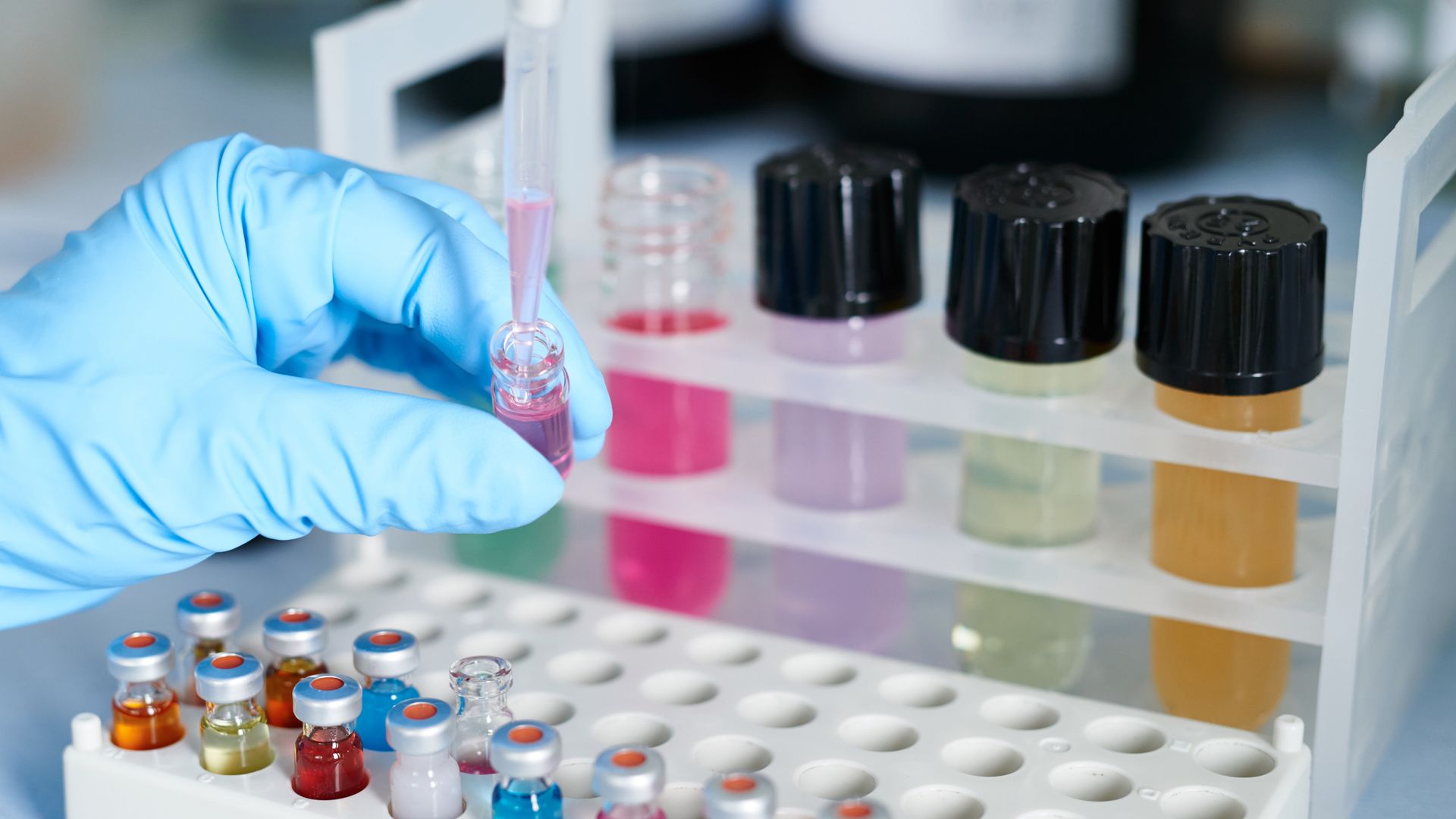
Credit: www.qima.com

Credit: www.frontiersin.org
Frequently Asked Questions
What Is A Common Challenge In Cosmetic Formulation Related To Regulatory Compliance?
A common challenge in cosmetic formulation is ensuring ingredients meet safety and concentration limits set by regulations. Using banned or restricted substances risks non-compliance and product recalls. Manufacturers must carefully verify ingredient legality to comply with market-specific rules and avoid enforcement actions.
What Impact Does The Fda Have On Compliance with Regulatory Standards?
The FDA enforces regulatory standards by inspecting products and facilities. It ensures manufacturers meet safety and quality requirements. The agency helps companies comply through guidance and takes action against violations to protect public health.
What Is The Biggest Problem In The Beauty Industry?
The biggest problem in the beauty industry is its environmental impact and promotion of unrealistic beauty standards. This harms mental health and ecosystems. Additionally, issues include harmful chemicals, lack of transparency, animal testing, and labour exploitation, which challenge sustainability and ethics across the sector.
How Do You Ensure Compliance With Regulatory Standards In Your Analytical Work?
We follow all regulatory guidelines strictly and conduct thorough audits regularly. Our team stays updated on standards and uses validated methods to ensure accuracy and compliance in every analysis.
Conclusion
Detection limits play a key role in cosmetics testing and compliance. They help ensure ingredients stay within safe, legal levels. Accurate detection supports product safety and builds consumer trust. Testing labs must use proper methods to detect low ingredient amounts.
Regulatory agencies rely on these limits to enforce rules. Brands can avoid fines and recalls by meeting detection standards. A clear understanding of detection limits helps maintain quality and safety. Staying informed about testing requirements benefits both manufacturers and customers. Compliance is easier when detection limits guide product checks.