
When it comes to quality assurance, reviewing and approving analytical validation documents is a crucial step you cannot afford to overlook. These documents hold the key to ensuring your methods deliver reliable and accurate results every time.
But how do you make sure you’re catching every detail without getting lost in technical jargon? In this guide, you’ll discover clear, practical steps to confidently review and approve these vital documents. By mastering this process, you’ll protect your product quality, stay compliant with regulations, and avoid costly mistakes.
Ready to sharpen your QA skills and take control of analytical validation? Let’s dive in.
Key Validation Principles
Key validation principles guide the review and approval of analytical validation documents in QA. They ensure that the validation process is thorough, consistent, and meets regulatory standards. Understanding these principles helps maintain data accuracy and product quality.
Following key principles reduces errors and improves confidence in validation results. Each principle supports a step in the validation workflow, making the approval process clear and efficient.
Html Validation Compliance
Validation documents must follow proper HTML syntax for clarity and accessibility. Correct use of headings, paragraphs, and lists ensures the content is easy to read and navigate. This helps reviewers quickly find key information and verify compliance.
Data Integrity And Accuracy
Accurate and complete data is essential for validation approval. Reviewers check that data supports all claims and meets predefined acceptance criteria. Any discrepancies must be investigated and resolved before approval.
Traceability And Documentation
All validation activities require thorough documentation. Traceability links test results to protocols and specifications. This principle ensures every step can be reviewed and justified during audits or inspections.
Risk-based Approach
QA teams apply a risk-based approach to focus on critical aspects of the validation. This prioritizes resources on steps that impact product quality the most. Risk assessment helps identify potential failure points early.
Regulatory Compliance
Validation documents must meet relevant industry guidelines and regulatory requirements. Reviewers verify adherence to standards like ICH, FDA, or EMA. Compliance ensures the validation is accepted by regulatory bodies.

Credit: www.americanpharmaceuticalreview.com
Types Of Validation Documents
Understanding the types of validation documents is essential for effective review and approval in Quality Assurance (QA). Each document serves a unique purpose to ensure analytical methods are reliable and compliant. Proper identification helps QA teams focus on critical details during evaluation.
Validation documents confirm that analytical methods meet the required standards. These documents provide evidence of accuracy, precision, and consistency. Reviewing them carefully supports product quality and regulatory compliance.
Validation Master Plan (vmp)
The Validation Master Plan outlines the overall validation strategy. It defines the scope, responsibilities, and timelines for validation activities. This document guides the entire validation process and ensures alignment with company policies.
Analytical Method Validation Protocol
This protocol describes the plan for validating an analytical method. It details the tests to perform, acceptance criteria, and data to collect. Approval of the protocol ensures that the validation will be conducted systematically.
Analytical Method Validation Report
The validation report summarizes the results of the validation study. It includes data analysis, deviations, and conclusions. QA reviews this report to confirm that the method meets all predefined criteria.
Change Control Documentation
Change control records document any modifications to validated methods or processes. They explain the reasons for changes and assess impacts on validation status. Reviewing these documents helps maintain method integrity over time.
Revalidation Documents
Revalidation documents are required when methods or processes change. They prove that the revised method still performs reliably. QA must ensure that revalidation meets all regulatory and quality standards.
Critical Review Criteria
Critical review criteria guide the Quality Assurance (QA) team in evaluating analytical validation documents. These criteria ensure that data and methods meet regulatory and scientific standards. A careful review prevents errors and guarantees reliable results. Understanding what to check helps maintain compliance and product quality.
Completeness Of Documentation
All required sections must be present and fully detailed. Missing data or unclear descriptions reduce confidence in the validation. The document should include objectives, methods, results, and conclusions. Each section must align with regulatory guidelines and internal procedures.
Accuracy And Consistency Of Data
Data should be accurate and consistent throughout the document. Check for calculation errors, data entry mistakes, or conflicting information. Verify that raw data matches summary tables and graphs. Consistent data supports the validity of the analytical method.
Compliance With Regulatory Standards
The validation must follow applicable regulations and guidelines. Ensure adherence to standards like ICH, USP, or FDA requirements. Confirm that validation parameters such as accuracy, precision, specificity, and robustness are addressed. Proper compliance reduces the risk of audits and rejections.
Appropriateness Of Analytical Methods
Review whether the chosen analytical methods suit the product and testing goals. Methods must be scientifically sound and validated for their intended use. Evaluate if the procedures are clearly described and reproducible by others. Appropriate methods strengthen the reliability of results.
Clear Presentation Of Results
Results should be presented in an organized and understandable format. Tables, charts, and narratives must clearly explain findings. Look for logical flow and absence of ambiguity. Well-presented results facilitate decision-making and approval.
Identification Of Deviations And Corrective Actions
Any deviations from the protocol must be documented and justified. Check if corrective actions are described and implemented properly. Understanding issues and resolutions ensures the validation remains valid. This step highlights the robustness of the validation process.
Approval Signatures And Dates
The document must include signatures from authorized reviewers and approvers. Dates should correspond with the review timeline. This confirms accountability and traceability. Proper approvals finalize the validation and allow progression.
Common Validation Pitfalls
Common validation pitfalls often cause delays and errors in QA reviews. These mistakes reduce confidence in analytical data. Identifying pitfalls early helps maintain compliance and product quality.
Reviewers must watch for typical errors that occur during document evaluation. Understanding these pitfalls improves the approval process and avoids rework. Below are some frequent validation challenges in analytical document review.
Incomplete Or Missing Data
Missing critical data leads to unclear conclusions. Validation documents should include all raw data, calculations, and results. Incomplete data makes it impossible to verify method performance.
Inconsistent Terminology
Using different terms for the same concept confuses readers. Consistent language is essential for clear communication. Standard terms aligned with regulatory guidelines improve document clarity.
Ignoring Acceptance Criteria
Failure to compare results against predefined criteria causes approval delays. Acceptance limits must be clearly stated and followed strictly. Overlooking criteria leads to inaccurate validation outcomes.
Poor Documentation Of Deviations
Unexplained deviations raise questions about method reliability. All anomalies must be documented with root cause analysis. Proper handling of deviations ensures data integrity and transparency.
Insufficient Statistical Analysis
Skipping or misapplying statistics weakens validation conclusions. Appropriate statistical tools confirm method accuracy and precision. Clear presentation of statistics supports decision-making in QA.
Regulatory Compliance Essentials
Regulatory compliance plays a vital role in reviewing and approving analytical validation documents in QA. It ensures all processes meet the required legal and quality standards. Strict adherence to these regulations helps avoid costly delays and penalties. Compliance also guarantees product safety and efficacy.
Understanding the key regulatory requirements simplifies the review process. It guides QA professionals in evaluating documents accurately. This section highlights essential compliance aspects to consider during validation review and approval.
Understanding Regulatory Guidelines
Follow official guidelines like ICH Q2 and FDA 21 CFR Part 11. These documents set the standards for analytical method validation. Familiarity with guidelines helps identify critical validation parameters. It also ensures documents include all required data and tests.
Documentation Accuracy And Completeness
Check that validation reports are thorough and clear. All test results must be documented precisely. Missing or incomplete data can lead to non-compliance. Reviewers should verify that the validation protocol matches the executed tests.
Traceability And Audit Trails
Maintain full traceability of all validation activities. Ensure audit trails are intact and accessible. This includes changes, approvals, and reviewer comments. Proper traceability supports transparency and regulatory inspections.
Risk Assessment And Management
Evaluate risk assessments related to the analytical methods. Confirm identified risks are addressed with suitable controls. Document how risks impact product quality and compliance. This step is critical for regulatory acceptance.
Final Approval And Compliance Sign-off
Approval should come from authorized QA personnel. Sign-off confirms compliance with regulatory and company standards. It signals readiness for method use in routine testing. Proper approval protects the integrity of the validation process.

Credit: www.mcponline.org
Effective Document Approval Workflow
An effective document approval workflow in QA ensures analytical validation documents are reviewed thoroughly and approved promptly. This process helps maintain compliance with regulations and guarantees data integrity. Clear steps and defined roles reduce errors and speed up approval times.
Following a structured workflow allows teams to track document status easily. It supports collaboration and accountability among reviewers and approvers. This approach minimizes delays and improves overall quality management.
Define Roles And Responsibilities
Assign specific roles for reviewers and approvers. Each person should know their tasks and deadlines. This clarity prevents confusion and overlaps during the review process.
Use A Standardized Review Checklist
Create a checklist covering all key validation criteria. Reviewers use it to verify accuracy and completeness. This method ensures consistency across all documents.
Implement Version Control
Track all document versions systematically. Keep records of changes and comments. Version control avoids using outdated or incorrect documents.
Set Clear Deadlines
Establish firm timelines for each review stage. Monitor progress regularly to meet project goals. Timely reviews help maintain the overall schedule.
Utilize Digital Approval Tools
Leverage electronic systems for document routing and approvals. These tools provide transparency and speed up communication. Digital records also support audit trails.
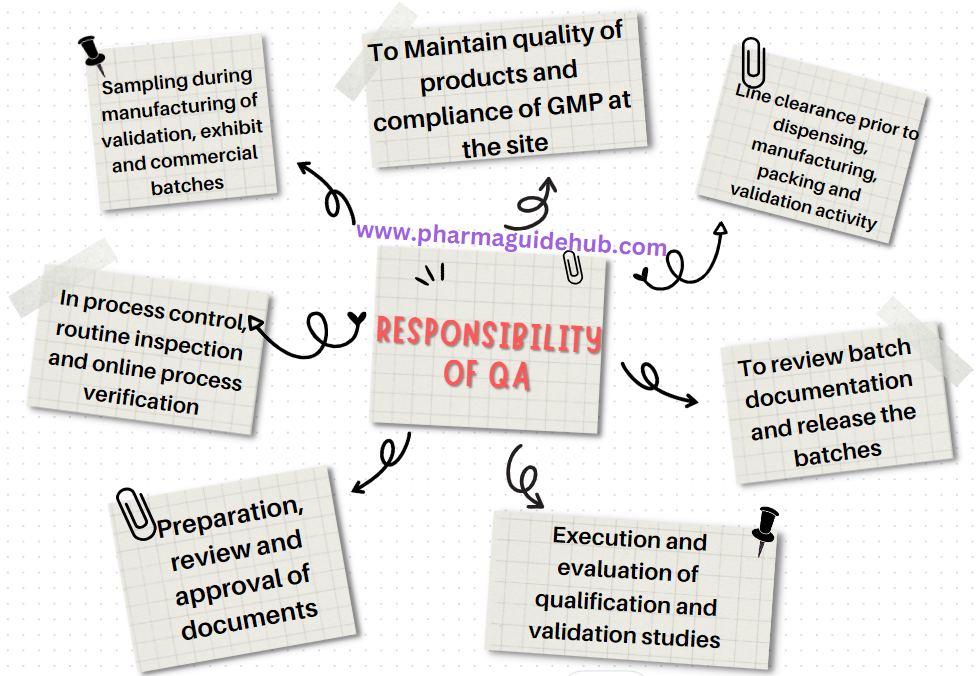
Role Of Qa In Validation Review
The Quality Assurance (QA) team plays a vital role in the review of analytical validation documents. Their main duty is to ensure all data and processes meet regulatory standards. QA acts as a gatekeeper, confirming the reliability and accuracy of validation results before approval.
QA reviews each document carefully. They check for completeness and adherence to the validation protocols. This includes verifying that all tests were performed correctly and results are consistent. Any deviations or errors must be addressed before approval.
QA also ensures that the documentation reflects a clear and logical flow. Proper documentation supports traceability and accountability. This is crucial for audits and regulatory inspections.
Verification Of Compliance With Regulatory Standards
QA confirms that validation documents follow industry regulations. They check guidelines from agencies like the FDA and EMA. This ensures the validation process aligns with legal requirements. Compliance reduces the risk of product recalls or penalties.
Identification And Management Of Deviations
QA identifies any deviations from the planned validation protocol. They assess the impact of these deviations on data integrity. QA works with teams to resolve issues promptly. Proper management maintains the validity of the analytical method.
Ensuring Data Integrity And Accuracy
QA verifies that all data is accurate and complete. They look for any inconsistencies or missing information. Strong data integrity builds trust in validation outcomes. QA’s attention to detail helps prevent errors in final reports.
Approval And Release Of Validation Documents
After thorough review, QA approves the validation documents. Approval means the method is reliable and ready for use. QA’s signature confirms that all quality standards are met. This step is essential before product release or further processing.
Credit: pharmaguidehub.com
Tips For Continuous Improvement
Continuous improvement is vital in reviewing and approving analytical validation documents in QA. It ensures the process remains effective and compliant over time. Small, consistent enhancements build stronger validation outcomes.
Focus on learning from each review cycle. Identify gaps and apply lessons to future documents. This approach helps maintain high-quality standards in analytical validation.
Implement Regular Feedback Loops
Collect feedback from all team members involved in the validation process. Use their insights to find weaknesses or unclear sections in documents. Regular feedback encourages teamwork and keeps the process dynamic.
Standardize Document Templates
Create clear, consistent templates for validation documents. Templates reduce errors and speed up reviews. Ensure templates follow regulatory guidelines and include all necessary information.
Train Qa Staff Continuously
Provide ongoing training on analytical validation principles and document review techniques. Training improves staff confidence and accuracy. Keep everyone updated on new regulations and best practices.
Utilize Checklists For Thorough Reviews
Develop detailed checklists covering all validation document requirements. Checklists help reviewers avoid missing critical points. They ensure every document meets quality and compliance standards.
Leverage Technology For Document Management
Use digital tools to track, manage, and archive validation documents. Technology streamlines approvals and maintains version control. It also supports audit readiness and traceability.
How Chemistry Job Insight Can Help You with How to Review And Approve Analytical Validation Documents in Qa
Practical Learning Opportunities in Reviewing and Approving Analytical Validation Documents
Gaining proficiency in reviewing and approving analytical validation documents goes beyond understanding the theoretical framework. Integrating key validation principles with an awareness of common validation pitfalls enables more effective quality assurance (QA) oversight. For instance, applying critical review criteria during document assessment ensures precision and regulatory compliance, which are foundational for reliable validation outcomes.
To deepen practical skills, consider engaging in hands-on exercises that simulate real-world approval workflows or participating in workshops focused on the role of QA in validation review. Such experiences cultivate an appreciation for the nuances involved in maintaining documentation integrity and enhancing continuous improvement efforts.
- Analyze sample validation documents against regulatory checklists
- Practice identifying gaps that could lead to compliance issues
- Develop strategies to streamline document approval processes
Organizations like Chemistry Job Insight emphasize clarity and actionable knowledge, supporting chemists in translating validation theory into reliable practice. For further guidance or to connect with experts in analytical validation, reaching out via their contact channels can provide valuable, tailored advice.
Conclusion
Reviewing and approving analytical validation documents ensures reliable QA processes. Clear understanding of each validation step helps maintain quality standards. Careful checks prevent errors and support compliance with regulations. Consistent documentation builds trust in analytical results and decisions. Stay focused on accuracy, completeness, and timely reviews for best outcomes.
This approach strengthens product quality and supports regulatory success.