
Cosmetics Industry Growth in Bangladesh: Chemistry Job Opportunities
Bangladesh’s cosmetics industry is booming. From small local brands to international giants, the country is seeing rapid growth in beauty and personal care products. This expansion is not only changing consumer habits but also creating new opportunities for skilled professionals. Among these, chemistry graduates are finding a unique place. Their knowledge is essential for product development, quality control, and innovation. This article explores the growth of the cosmetics industry in Bangladesh, why it matters, and how the chemistry job sector is evolving within this vibrant field.
The Rise Of The Cosmetics Industry In Bangladesh
Rapid Market Growth
Bangladesh’s cosmetics market has transformed in the last decade. According to the Bangladesh Cosmetics & Toiletries Manufacturers Association (BCTMA), the local cosmetics market was valued at $1.2 billion in 2022, with an average annual growth rate of 15% since 2015. By 2025, experts expect the market to cross $2 billion, driven by rising incomes, urbanisation, and a growing middle class.
Women are the primary consumers, but men’s grooming products are quickly gaining popularity. Urban centres like Dhaka, Chattogram, and Sylhet are leading the demand, but rural areas are catching up due to better distribution networks and social media influence.
Key Drivers Of Growth
Several factors are powering this growth:
- Young Population: Over 60% of Bangladeshis are under 35, making them a prime audience for beauty products.
- Social Media Influence: Platforms like Facebook and Instagram have increased beauty awareness and product demand.
- E-commerce Expansion: Online platforms such as Daraz and AjkerDeal make beauty products more accessible nationwide.
- Rising Disposable Income: More families can now afford branded and luxury cosmetics.
- Local Manufacturing: Homegrown brands such as Keya, Square Toiletries, and Kohinoor have reduced reliance on imports and made products more affordable.
Import Vs. Local Production
While international brands like Unilever, L’Oréal, and P&G still dominate the premium segment, local brands have captured the mass market. The following table shows the market share comparison between imported and locally produced cosmetics in 2022:
| Category | Imported (%) | Local (%) |
|---|---|---|
| Skin Care | 42 | 58 |
| Hair Care | 36 | 64 |
| Color Cosmetics | 55 | 45 |
| Men’s Grooming | 30 | 70 |
Local production dominates most categories, except for colour cosmetics, where international brands still hold a lead.
Major Players
The industry is shaped by both multinational and domestic companies. Some of the most influential brands are:
- Unilever Bangladesh (Lux, Dove, Fair & Lovely)
- Square Toiletries Ltd. (Meril, Kool)
- Keya Cosmetics
- Kohinoor Chemical Co. (Tibet)
- Marico Bangladesh (Parachute)
- Sunsilk
- Hemani
- Jui
- Cute
These companies invest heavily in marketing, research, and distribution.
Trends In Product Preferences
Bangladeshi consumers are becoming more aware of ingredients and product safety. There is a rising demand for:
- Herbal and natural products: Items with aloe vera, neem, and turmeric are popular.
- Skin whitening and brightening: Despite controversies, these products remain in high demand.
- Men’s cosmetics: Shaving creams, beard oils, and hair gels for men are growing rapidly.
- Affordable luxury: Consumers want quality without high prices.
A recent survey by LightCastle Partners found that 67% of urban consumers prefer locally made products if quality matches imported ones. This shows a shift in trust and pride towards domestic brands.
Distribution Channels
Cosmetics in Bangladesh reach customers through:
- Retail stores and supermarkets
- Pharmacies
- Online platforms
- Beauty salons and parlours
- Social media sellers
E-commerce has seen a 300% increase in cosmetic sales since 2018, according to the Bangladesh Association of Software and Information Services (BASIS).
Challenges In The Industry
Despite the growth, there are significant challenges:
- Counterfeit products: Fake cosmetics are a big problem, especially in local markets.
- Lack of regulation: Weak enforcement of standards can lead to unsafe products.
- Ingredient sourcing: Many raw materials are still imported, increasing costs.
- Consumer awareness: Not everyone knows how to check for authentic or safe products.
The government has started to address these issues, but more action is needed for sustainable growth.
The Role Of Chemistry In The Cosmetics Sector
Why Chemistry Matters
Cosmetics are a blend of science and creativity. Every product, from a simple soap to a complex serum, relies on chemistry for its formulation, stability, and effectiveness. Chemistry professionals are essential for:
- Developing new products
- Ensuring product safety
- Improving shelf life
- Innovating with new ingredients
Without chemistry, the cosmetics industry could not exist in its modern form.
Read the beginner's guide to the chemistry of the cosmetic industry.
Key Functions Of Chemists In Cosmetics
Chemists work in several important areas:
- Formulation: They combine raw materials in the right proportions to create new products. This can involve balancing oils, surfactants, emulsifiers, fragrances, and active ingredients.
- Quality Control: Chemists test products for purity, pH, viscosity, and microbial safety. They ensure each batch meets strict standards.
- Research & Development (R&D): Innovating new products or improving existing ones. This might include developing a sunscreen with a higher SPF or a hair dye with less irritation.
- Regulatory Compliance: Ensuring products follow Bangladesh Standards and Testing Institution (BSTI) rules and international guidelines.
- Production Support: Helping manufacturing teams troubleshoot and improve production efficiency.
The Chemistry Job Sector In Bangladesh’s Cosmetics Industry
Growing Demand For Chemistry Graduates
The industry’s rapid expansion has created a strong demand for chemistry professionals. In 2012, only a handful of companies had dedicated R&D teams. Today, almost every major brand has a laboratory staffed with chemists, biochemists, and chemical engineers.
According to a 2023 report by the Bangladesh Chemical Society, approximately 2,500 new chemistry-related jobs are created in the cosmetics sector each year. These roles are not just in big cities but also in smaller manufacturing hubs like Narayanganj and Gazipur.
Typical Job Roles For Chemistry Graduates
Chemistry graduates can work in areas such as:
- Product Development Chemist: Designing new cosmetics or improving old formulas.
- Quality Assurance Analyst: Testing samples, validating processes, and ensuring compliance.
- Process Chemist: Optimising production methods for efficiency and safety.
- Regulatory Affairs Specialist: Making sure products meet legal and safety standards.
- Research Scientist: Exploring new active ingredients, such as plant extracts or peptides.
- Lab Manager: Overseeing laboratory operations and teams.
Career Progression
Entry-level chemists may start as lab assistants or junior analysts. With experience, they can become senior chemists, R&D managers, or even heads of product innovation. Some move into sales or marketing roles, where technical knowledge is a major advantage.
The following table shows the typical career path and average monthly salary for chemistry professionals in the cosmetics sector (2023 data):
| Position | Experience (Years) | Average Salary (BDT) |
|---|---|---|
| Lab Assistant | 0–2 | 18,000–25,000 |
| Quality Assurance Analyst | 2–5 | 28,000–40,000 |
| R&D Chemist | 3–6 | 35,000–55,000 |
| Lab Manager | 5–10 | 60,000–90,000 |
| Head of Product Innovation | 10+ | 100,000–180,000 |
*Note: Salaries vary based on company, location, and individual performance. Negotiation salary is one of the most important skills for a chemist. This guide on negotiation salary will help you in your interview.*
When thinking about salary, remember the new trend, performace based salary. Read our article on how the globe is shifting toward performance-based salary.
Skills In Demand
In addition to a strong foundation in organic and inorganic chemistry, employers look for:
- Knowledge of cosmetic regulations and safety standards
- Familiarity with analytical instruments (HPLC, GC-MS, spectrophotometers)
- Problem-solving and troubleshooting abilities
- Teamwork and communication skills
- Awareness of cosmetic trends and consumer preferences
Non-obvious Insights For Beginners
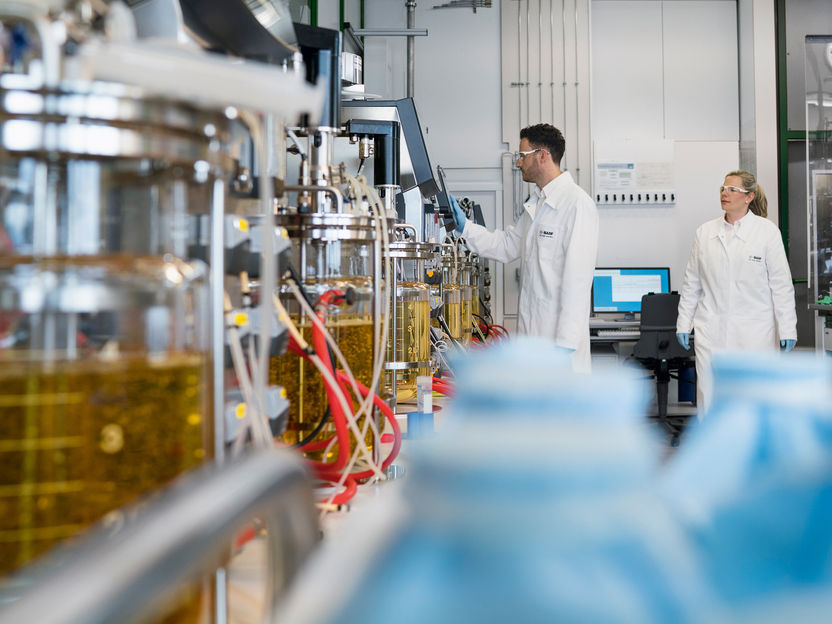
- Chemistry in Marketing: Many successful cosmetic products are built around a “science story.” Chemists often help marketing teams explain product benefits, such as “pH-balanced” or “enriched with vitamin C.”
- Regulatory Shifts: Bangladesh is moving towards stricter cosmetics regulations. Chemists who understand both local and international rules (such as EU or US FDA standards) are highly valuable.
Credit: www.chemeurope.com
Consider going through our ISO series to make you familiar with international standards, rules and regulations.
The Education And Training Pipeline
University Programs
Top universities in Bangladesh, such as the University of Dhaka, Jahangirnagar University, and Bangladesh University of Engineering and Technology (BUET), offer strong programs in chemistry and chemical engineering. Some universities now provide cosmetic science courses or specialisations.
A typical Bachelor’s degree in chemistry takes 4 years, with core courses in organic chemistry, physical chemistry, analytical chemistry, and biochemistry. Some universities include industrial internships as part of the program.
Industry Partnerships
To bridge the gap between theory and practice, many companies offer:
- Internships for final-year students
- Workshops on cosmetic formulation and quality control
- Industry visits to manufacturing plants and labs
These experiences help students understand the real-world challenges of the cosmetics industry and make them more job-ready.
Professional Development
For those already working, short courses and certifications are available on topics like:
- Advanced cosmetic formulation
- Microbiological safety in cosmetics
- Regulatory affairs and compliance
- Analytical method development
Organisations such as the Bangladesh Chemical Society and BSTI regularly hold seminars and training sessions.
Not only the cosmetics sector but also the clinical, medicinal, computational, sustainability, and forensic sector is growing.
Global Exposure
A few Bangladeshi professionals pursue higher studies or training abroad, especially in India, Malaysia, South Korea, and Europe. They bring back new techniques and trends, helping local companies stay competitive.
Challenges And Opportunities For Chemistry Professionals
Key Challenges
Despite the opportunities, chemistry graduates face some hurdles:
- Limited R&D budgets: Not all companies invest enough in research or lab equipment.
- Career awareness: Many students are unaware of the career paths in cosmetics, focusing instead on pharmaceuticals or academia.
- Skill gaps: There is sometimes a mismatch between university education and industry needs, especially in areas like instrumentation or regulatory affairs.
- Workplace safety: Some labs lack modern safety protocols, exposing staff to chemical hazards.
Opportunities For Growth
The future is bright for chemistry professionals in Bangladesh’s cosmetics sector. Key areas of opportunity include:
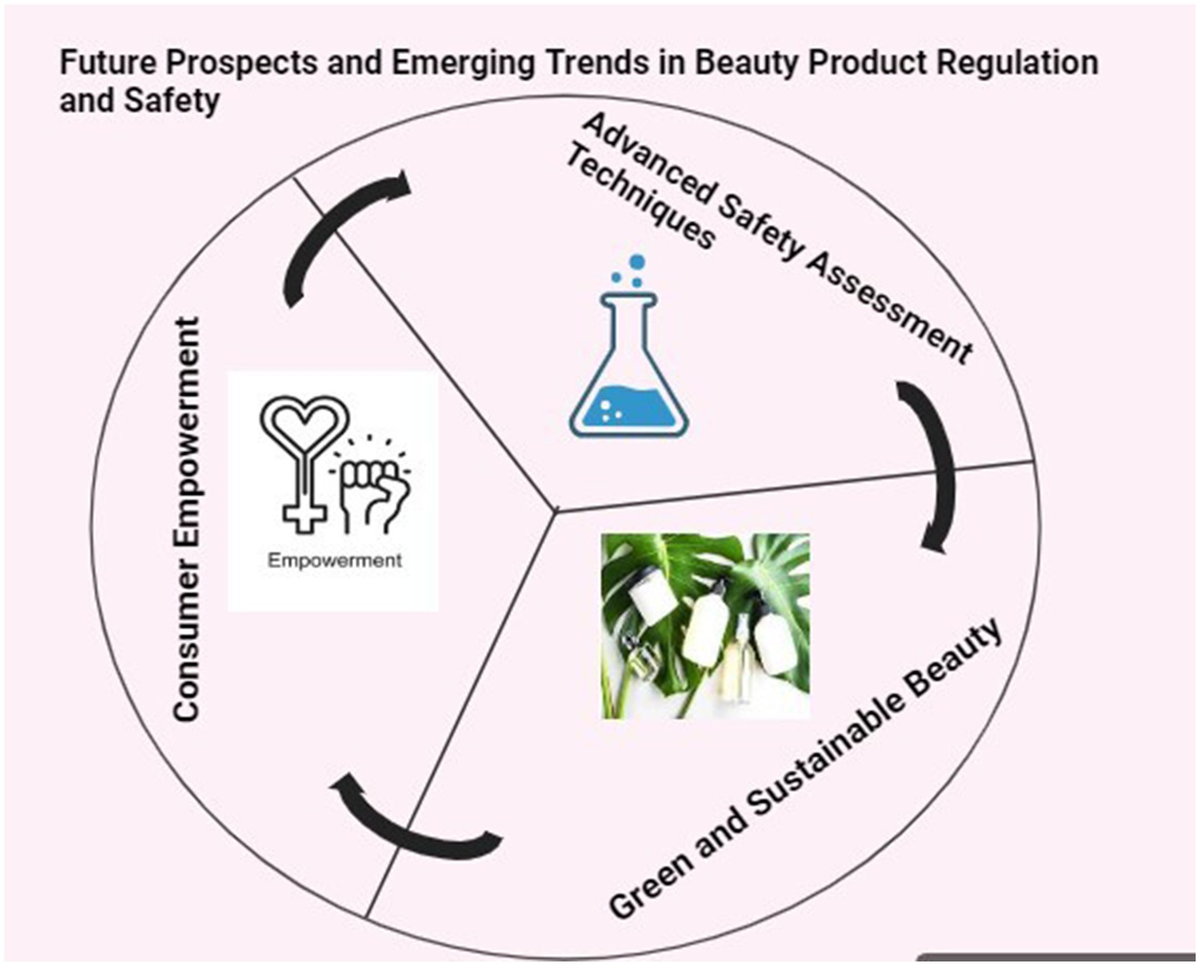
- Natural and organic product development: As consumers demand safer, more sustainable products, chemists with expertise in natural ingredients will be in high demand.
- Export-oriented production: Bangladesh is beginning to export cosmetics to South Asia, the Middle East, and Africa. Meeting international standards requires highly skilled chemists.
- Cosmetic testing labs: There is a growing need for independent labs to certify product safety, opening new business and job opportunities.
- Cosmetic entrepreneurship: Chemists with business skills can launch their own brands, focusing on niche markets like halal cosmetics or herbal products.
Diagram: How A Cosmetic Product Is Developed
Below is a simple diagram showing the stages where chemists are involved in cosmetic product development:

Outlook For The Next Decade
Industry experts predict:
- An increase in job opportunities for chemists, especially in R&D and quality assurance.
- Greater focus on green chemistry and sustainable sourcing.
- More women are entering the field, both in labs and management roles.
- Closer collaboration between academia and industry.
With the right skills and mindset, chemistry graduates can build rewarding careers in this industry.
Impact On Society And The Economy
Economic Contributions
The cosmetics industry supports the national economy in several ways:
- Employment: Over 200,000 direct and indirect jobs, including manufacturing, sales, and research.
- Tax revenue: The sector contributes significant VAT and corporate taxes.
- Entrepreneurship: Thousands of small and medium enterprises (SMEs) have sprung up, especially in urban and semi-urban areas.
- Export earnings: Though still small, exports are growing, with products reaching India, Nepal, and Gulf countries.
Social Impact
- Women’s empowerment: Many women work in cosmetics manufacturing, marketing, and retail.
- Health and safety: Better products mean improved personal hygiene and wellness.
- Beauty standards: The industry shapes perceptions of beauty, sometimes positively (self-care, confidence) and sometimes with challenges (colourism, unrealistic ideals).
Sustainability And Ethics
There is increasing discussion around:
- Animal testing: Most Bangladeshi brands do not test on animals.
- Packaging waste: Companies are exploring eco-friendly packaging options.
- Ingredient transparency: Consumers want to know what’s in their products.
International organisations are supporting Bangladesh in adopting ethical and sustainable practices. For more on global trends in cosmetics, see the Cosmetics Industry Wikipedia page.
Comparison With Other Job Sectors
How does the cosmetics chemistry job sector compare to other popular fields, like pharmaceuticals or textiles? Here’s a quick comparison:
| Sector | Entry-Level Salary (BDT) | R&D Investment | Job Growth (2021–2023) | Export Potential |
|---|---|---|---|---|
| Cosmetics | 18,000–25,000 | Moderate | 15%/year | Emerging |
| Pharmaceuticals | 22,000–30,000 | High | 10%/year | Strong |
| Textiles | 17,000–23,000 | Low | 6%/year | Very Strong |
Cosmetics offers faster job growth and new opportunities, especially for those interested in science and innovation.
Remember, nowadays, social media and professional networks play an important role in career building. Your LinkedIn profile represents you. This article will help you on learning more about how to use LinkedIn effectively for chemistry job hunting.
Credit: www.frontiersin.org
Practical Steps For Chemistry Students Aspiring To Enter The Cosmetics Sector
- Build a strong chemistry foundation: Focus on organic and analytical chemistry.
- Seek internships: Real-world lab experience is highly valued.
- Learn about regulations: Study BSTI and international cosmetics rules.
- Develop soft skills: Communication, teamwork, and creativity help in product development.
- Stay updated: Follow trends in ingredients, packaging, and consumer preferences.
- Network: Attend seminars, join professional societies, and connect with industry professionals.
Common Mistakes To Avoid
- Ignoring safety protocols in the lab
- Not learning about market trends
- Focusing only on technical skills and neglecting communication
- Underestimating the value of regulatory knowledge
Frequently Asked Questions
What Qualifications Are Required To Work As A Chemist In The Cosmetics Industry In Bangladesh?
A Bachelor’s degree in chemistry, biochemistry, or chemical engineering is usually required. Higher positions may need a Master’s or specialised training in cosmetic science. Practical lab experience is highly valued.
How Is The Cosmetics Industry Different From The Pharmaceutical Industry For Chemistry Graduates?
While both rely on chemistry, pharmaceuticals are more regulated and focused on health products. Cosmetics is more creative, faster-paced, and involves trends and consumer preferences. Regulatory requirements are strict but less complex than in pharma.
Are There Opportunities For Chemistry Professionals To Start Their Own Cosmetics Brands In Bangladesh?
Yes. Many successful brands were started by chemists. Good formulation knowledge and understanding of regulations are key. Starting small with natural or niche products can be a good strategy.
What Are The Top Skills Needed For A Chemistry Job In Cosmetics?
Key skills include formulation, quality control, understanding of regulations, use of analytical instruments, and soft skills like teamwork and problem-solving.
How Can I Keep Up With New Trends And Technologies In The Cosmetics Industry?
Follow international journals, attend industry seminars, and join online forums. Participating in workshops and connecting with professionals can also help you stay updated.
Bangladesh’s cosmetics industry is on a strong growth path, with chemistry professionals at its core. For those with a passion for science and innovation, this sector offers exciting and rewarding career opportunities.